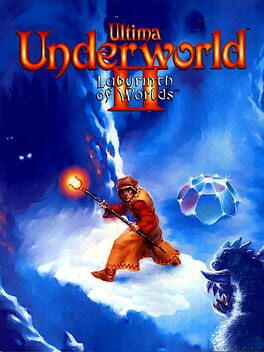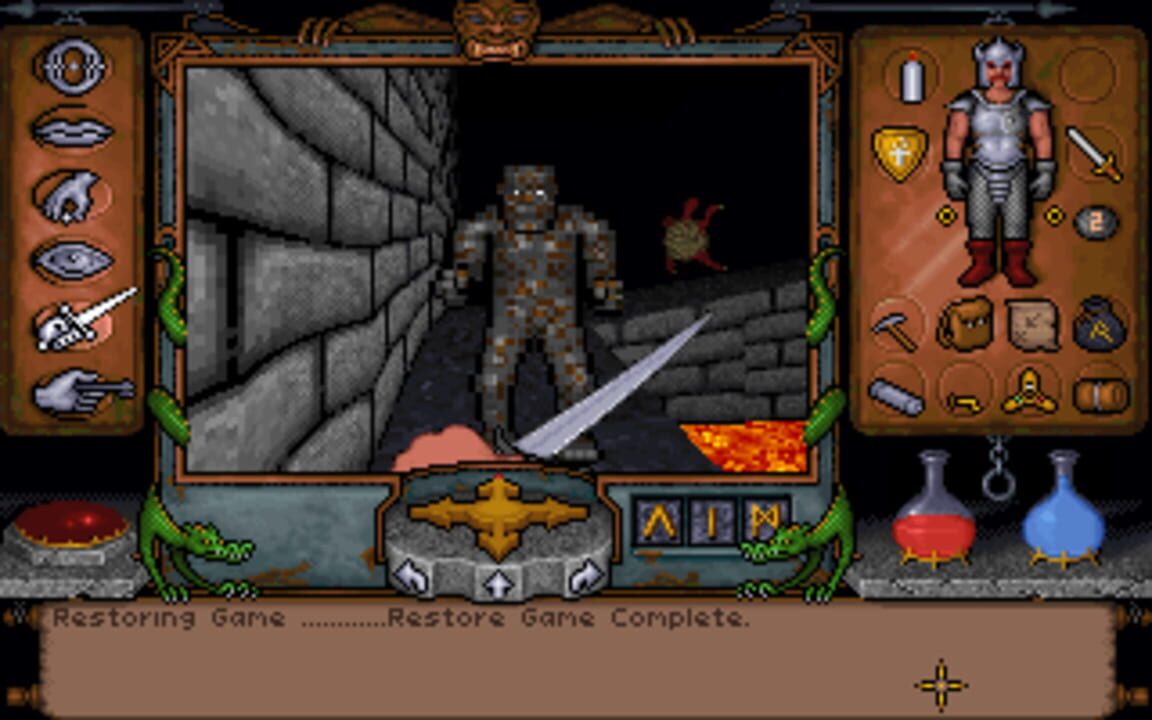
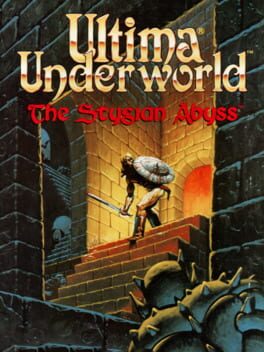
Ultima Underworld: The Stygian Abyss 1992
Developed by Looking Glass Technologies, Looking Glass Studios
- Role-playing (RPG), Action, Fantasy, Stealth
The Isle of the Avatar was discovered during the Fourth Age (as related in Quest of the Avatar), at the climax of the Avatar’s quest. The Stranger from Another World, who came to Britannia in answer to Lord British’s summons, completed the Test of the Eight Virtues and became the Avatar — the embodiment of the pure axiom of life. It was during his journeys that the Avatar unearthed a chilling artifact: the skull of Mondain the Wicked, the first of the Triad of Evil. There were those who claimed that the artifact held the power to destroy all life on our world. Fortunately, it was the Stranger who discovered it, and not someone of lesser Virtue. Upon completing the Path of the Eight Virtues, the Avatar embarked on a search for the Codex of Ultimate Wisdom. Legend linked this ancient tome with the subterranean maze known as the Great Stygian Abyss. “Truly, no one has ever plumbed its depths,” wrote Shamino, who arranged by magic to obtain a map of its corridors. “I cannot imagine the horrors that await the first to venture into the Stygian depths.” Setting Ultima Underworld is set in Britannia, the fantasy world of the Ultima series. Specifically, the game takes place inside a large, underground dungeon called the Great Stygian Abyss. The dungeon's entrance lies on the Isle of the Avatar, an island ruled by Baron Almric. The Abyss first appeared in Ultima IV: Quest of the Avatar, in which it contains the player's final goal, the Codex of Ultimate Wisdom. Ultima Underworld is set after the events of Ultima VI: The False Prophet; in the time between the two games, a man named Cabirus attempted to create a utopian colony inside the Abyss. The eight settlements of the Ultima series each embody one of eight virtues, and Cabirus wished to create a ninth that embodied all virtues. To achieve this, he united diverse cultures and races in peaceful co-existence and planned to promote harmony by giving each group one of eight virtue-imbued magical artifacts. However, he died before distributing the artifacts, and left no instructions for doing so. As a result, the colony collapsed into anarchy and war, and the artifacts were lost. At the time of Ultima Underworld, the Abyss contains the remnants of Cabirus's colony, inhabited by fractious groups of humans, goblins, trolls and others. Story Before the beginning of the game, the Abyss-dwelling wizard brothers Garamon and Tyball accidentally summon a demon, the Slasher of Veils, while experimenting with inter-dimensional travel. Garamon is used as bait to lure the demon into a room imbued with virtue. However, the demon offers Tyball great power if he betrays Garamon. Tyball agrees, but the betrayal fails; Garamon is killed, but seals the demon inside the room. Because he lacks virtue, Tyball cannot re-enter by himself, and plans to sacrifice Baron Almric's daughter, Arial, at the doorway to gain entrance. In the game's introduction, the ghost of Garamon haunts the Avatar's dreams with warnings of a great danger in Britannia. The Avatar allows Garamon to take him there, where he watches Tyball kidnap Arial. Tyball escapes, leaving the Avatar to be caught by the Baron's guards. The guards take him to the Baron, who banishes him to the Great Stygian Abyss to rescue Arial. After the introduction, the Avatar explores the dungeon and finds remnants of Cabirus's colony. A few possible scenarios include deciding the fate of two warring goblin tribes, learning a language, and playing an instrument to complete a quest. The Avatar eventually defeats Tyball and frees Arial.
Role-playing (RPG)ActionFantasyStealthmagicdarknessgoblinsea appnon-player charactermeleereal-time combatinteractive environmentsdynamic soundtrackrespawn justificationimmersiveWindows Mobile, PC-9800 Series, DOS, FM Towns
Log it
Sign in to log this.
Where do you stand?
Three questions people argue about. Answer first, then see how your circle and the community split.
Is it the best role-playing (rpg) game of its decade?
Sign in to answerBe the first to answer.
Would Ultima Underworld: The Stygian Abyss hit harder if it came out today rather than in 1992?
Sign in to answerBe the first to answer.
Is this Looking Glass Technologies's best work?
Sign in to answerBe the first to answer.
Ask the title a question
Answered from the reviews and content notes on file, never made up. If nothing on file settles it, it says so.
Character
Earnest, grave, plot-driven and resolved.
- earnestironic
- gravecomic
- character-ledplot-driven
- resolvedopen-ended
- sparerichly built
Who loves it, who doesn't
No profiled raters yet.
Reviews
No reviews yet.
About the game
- Platforms
- Windows Mobile, PC-9800 Series, DOS, FM Towns
- Developer
- Looking Glass Technologies, Looking Glass Studios
- Publisher
- Origin Systems, ZIOSoft, Electronic Arts Victor
- Released
- March 11, 1992
- Modes
- Single player
- Perspective
- First person
IGDB rating 8.3/10 from 31 ratings.
Screenshots
Similar in taste
Closest on the same fourteen dimensions, from everything scored on Curator Co. Other media included when they land close.
 Cave Story 200477% alikeBoth earnest, grave, plot-driven.
 Fire Emblem: Thracia 776 199976% alikeBoth earnest, grave, resolved.
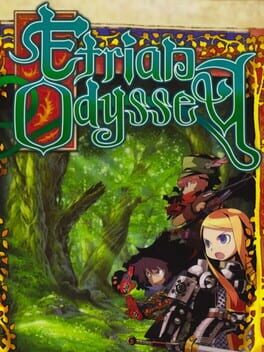 Etrian Odyssey 200775% alikeBoth earnest, grave, plot-driven.
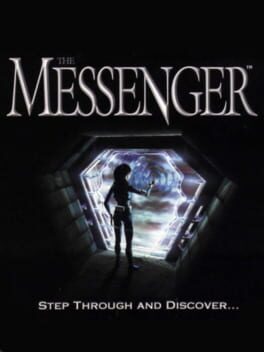 The Messenger 200073% alikeBoth earnest, grave, plot-driven.
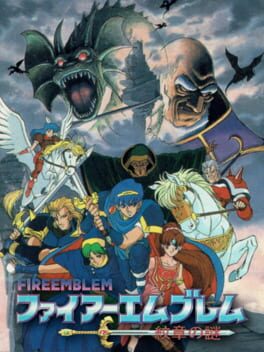 Fire Emblem: Monshou no Nazo 199473% alikeBoth earnest, grave, plot-driven.
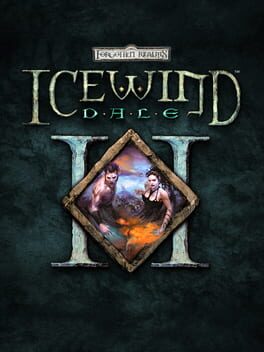 Icewind Dale II 200273% alikeBoth earnest, grave, plot-driven.
 Myst IV: Revelation 200472% alikeBoth earnest, grave, plot-driven.
 Neverwinter Nights 200272% alikeBoth earnest, grave, plot-driven.
 Jonathan Strange & Mr Norrell 201564% alikeSeries · Both earnest, grave.
 The Dark Crystal 198264% alikeFilm · Both earnest, resolved, grave.
Often played with
Similar games per IGDB. Opening one adds it to Curator Co.