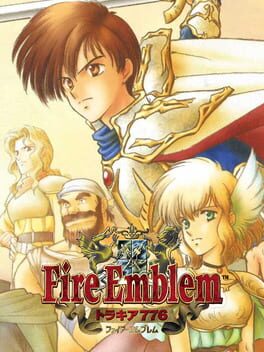
Fire Emblem: Thracia 776 1999
Developed by Intelligent Systems
- Role-playing (RPG), Strategy, Turn-based strategy (TBS), Tactical
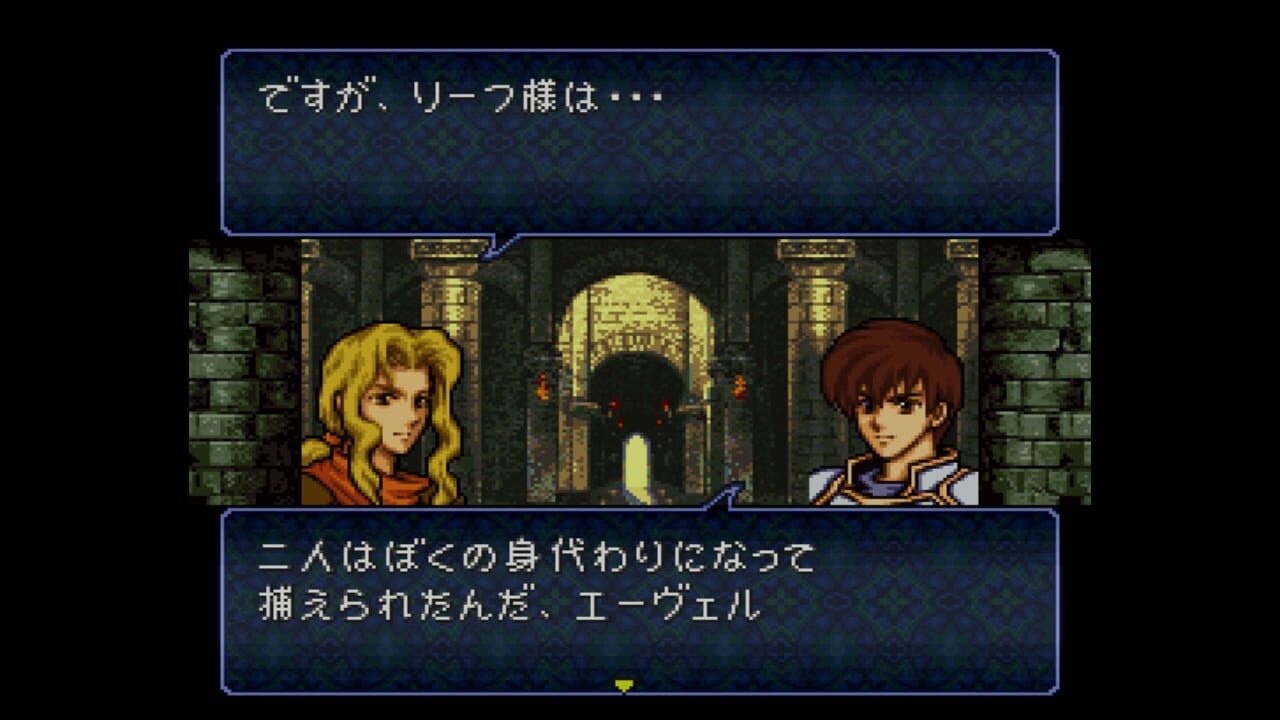
Fire Emblem: Thracia 776 is a Japanese tactical role-playing game developed by Intelligent Systems and published by Nintendo, and the fifth installment in the Fire Emblem series. It is also the third and final Fire Emblem series title to be released on the Super Famicom. Fire Emblem: Thracia 776 takes place between Chapters 5 and 6 of the previous game, Fire Emblem: Seisen no Keifu. Several characters from Fire Emblem: Seisen no Keifu appear, such as Leaf, Fin, and Nanna. It takes place in the Thracian peninsula in southeastern Jugdral. Spending most of his life on the run, Leif eventually finds shelter in the village of Fiana. One day, the villager's protectors are routing bandits when the new Duke of Manster Raydrik attacks the village in search of Leif, kidnapping Leif's friends Nanna and Mareeta. Devastated by the town's destruction and his friends' abductions, Leif decides to face the forces of Thracia and retake Manster. Aided by Finn and a growing band of rebels, he rescues both Nanna and the enemy-controlled Mareeta, and defeating Raydrik's forces as they retake Manster and liberate northern Thracia. Leif's forces finally face Raydrik in battle, but upon his defeat he is transformed into an undead monster called Deadlord Mus. Leif destroys Mus, and cements his forces defending Manster and northern Thracia from the Grannvale army.
Role-playing (RPG)StrategyTurn-based strategy (TBS)TacticalFantasyvirtual consolejapan onlyretroachievementswii virtual consolefan translation - englishwii u virtual consolefan translation - italianWii, Wii U, New Nintendo 3DS, Super Famicom
Log it
Sign in to log this.
Where do you stand?
Three questions people argue about. Answer first, then see how your circle and the community split.
Is this Intelligent Systems's best work?
Sign in to answerBe the first to answer.
Would Fire Emblem: Thracia 776 hit harder if it came out today rather than in 1999?
Sign in to answerBe the first to answer.
Is the difficulty the point?
Sign in to answerBe the first to answer.
Ask the title a question
Answered from what people have written, never made up: a verdict, how much when it's a matter of degree, and the sentences that say so, quoted with their names. Reviews here first, then TMDB's reviews and the title's Wikipedia plot and reception. If nothing settles it, you can put it to the curators.
Character
Earnest, grave, classical in form and resolved.
- earnestironic
- gravecomic
- classical in formformally daring
- resolvedopen-ended
- character-ledplot-driven
Who loves it, who doesn't
No profiled raters yet.
Reviews
No reviews yet.
About the game
- Platforms
- Wii, Wii U, New Nintendo 3DS, Super Famicom
- Developer
- Intelligent Systems
- Publisher
- Nintendo
- Released
- September 1, 1999
- Modes
- Single player
- Perspective
- Bird view / Isometric, Side view
- Time to beat
- 39 h main story
IGDB rating 8.9/10 from 32 ratings.
Screenshots
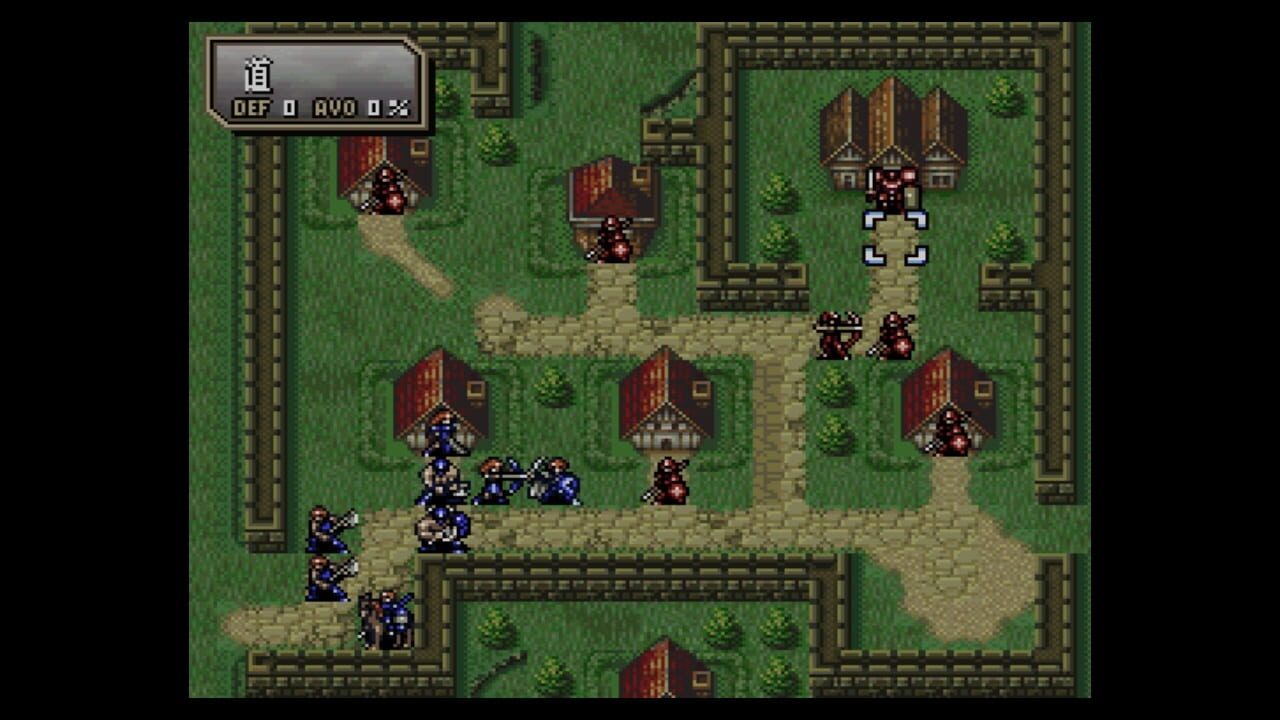
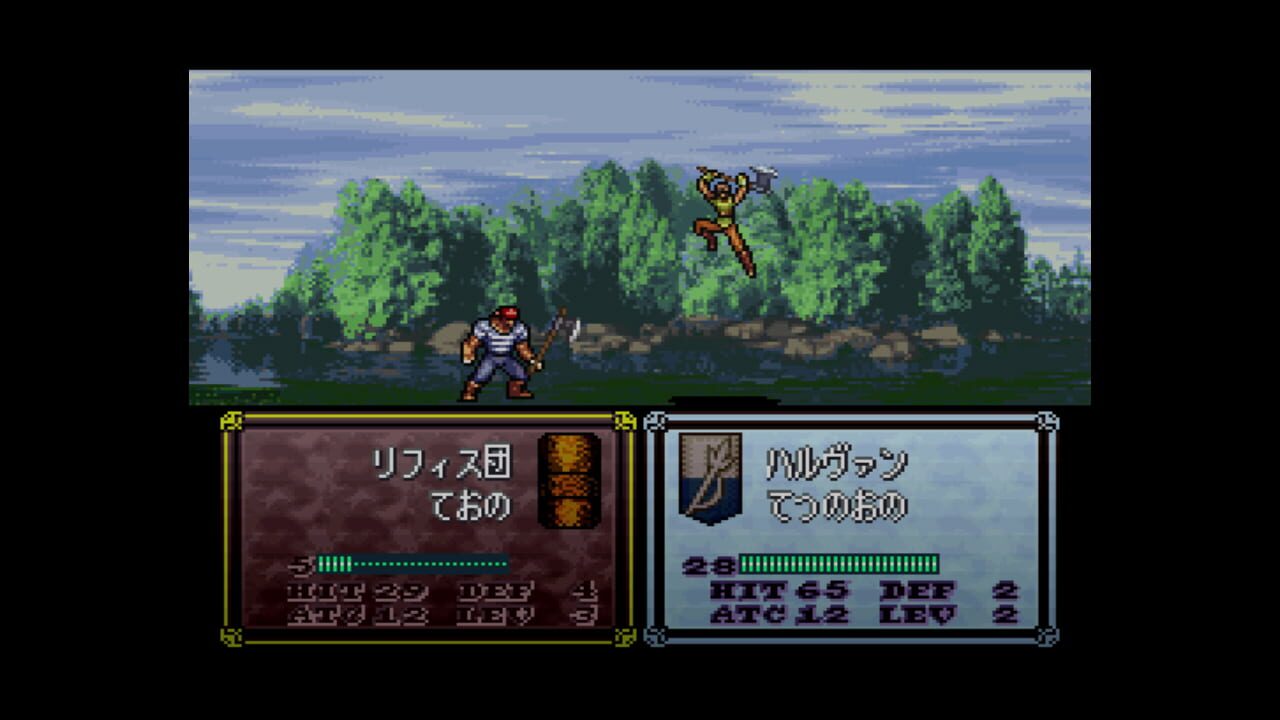
Pairings
Companions we picked from the closest works, and how to take them.
Similar in taste
Closest on the same fourteen dimensions, from everything scored on Curator Co. Other media included when they land close.
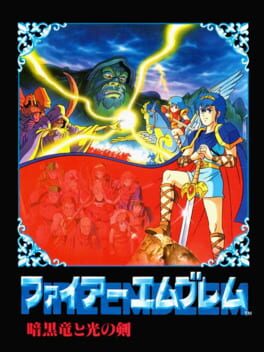 Both earnest, grave, classical in form.
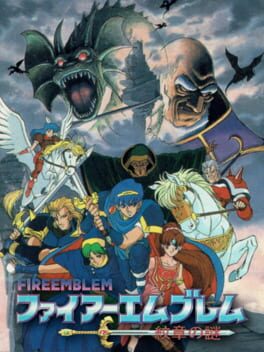 Fire Emblem: Monshou no Nazo 199484% alikeBoth earnest, grave, classical in form.
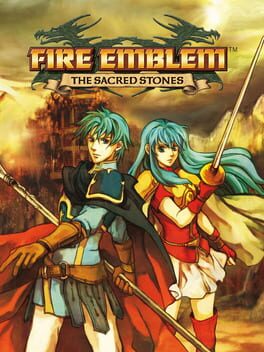 Fire Emblem: The Sacred Stones 200482% alikeBoth earnest, classical in form, grave.
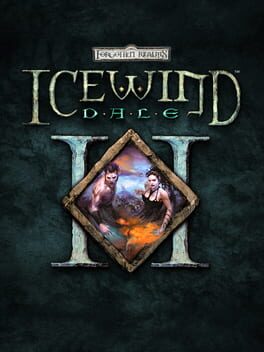 Icewind Dale II 200281% alikeBoth earnest, classical in form, grave.
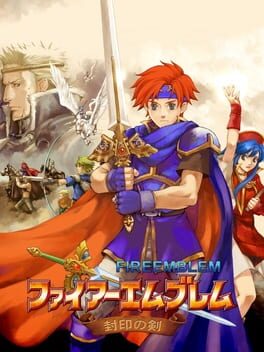 Fire Emblem: Fuuin no Tsurugi 200279% alikeBoth earnest, classical in form, grave.
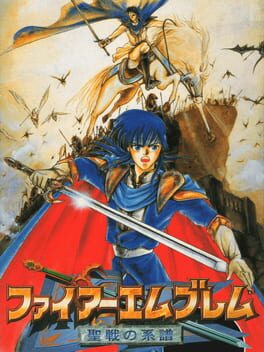 Fire Emblem: Seisen no Keifu 199679% alikeBoth earnest, grave, classical in form.
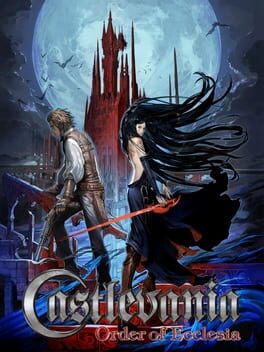 Castlevania: Order of Ecclesia 200879% alikeBoth earnest, grave, classical in form.
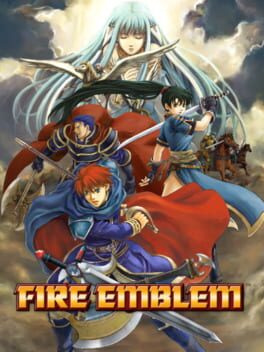 Fire Emblem 200378% alikeBoth earnest, classical in form, grave.
 Masada 198170% alikeSeries · Both earnest, grave, classical in form.
 Series · Both earnest, grave, classical in form.
Often played with
Similar games per IGDB. Opening one adds it to Curator Co.