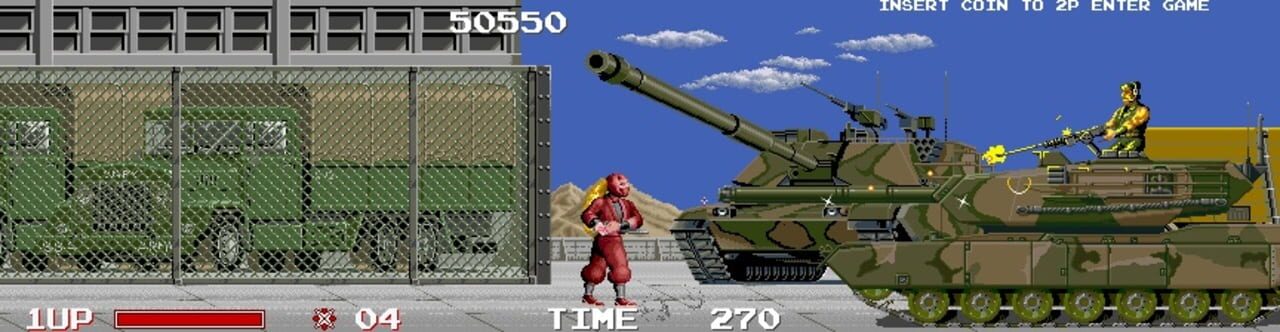
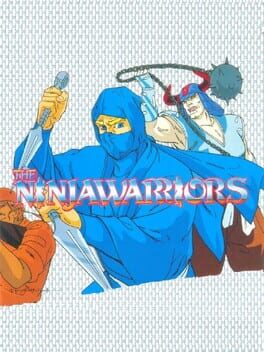
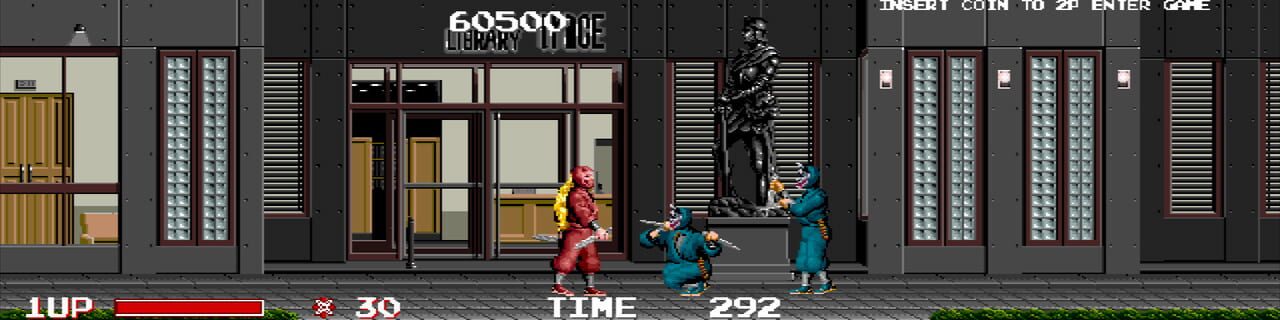
The Ninja Warriors presents side-scrolling hand-to-hand combat. Players take control of Kunoichi or Ninja and fight wave after wave of Banglar forces across five levels. The game is based in a dystopian future where Banglar, the President of the United States in 1993, issues martial law on the nation, with the military having total control over the law. A group of anarchist scientists led by Mulk decide that it is time to revolt against the government. Knowing full well that approaching the military themselves could be considered an all out suicide mission, the scientists create two androids that can sustain various forms of damage in order to do the mission for them. The robots, code named "Kunoichi" (red female) and "Ninja" (blue male), are sent by the scientists in order to end Banglar's tyranny once and for all. Ninja and Kunoichi each have different combos — one to be executed normally, and another that can be performed while crouching — and specific moves such as dash attacks, throwing, stabbing and air strikes. On the screen, separate from the life bar, there is a special energy bar that fills itself as the main character progress. When full, the bar will allow the player to perform a special move. If the character suffers some damage, the special bar will reset, starting a new count-up.
FightingPlatformHack and slash/Beat 'em upArcadeActionninjawii virtual consoleArcade, Commodore C64/128/MAX, ZX Spectrum, Wii, Atari ST/STE, TurboGrafx-16/PC Engine
Log it
Sign in to log this.
Where do you stand?
Three questions people argue about. Answer first, then see how your circle and the community split.
Has The Ninja Warriors aged badly?
Sign in to answerBe the first to answer.
Would The Ninja Warriors hit harder if it came out today rather than in 1988?
Sign in to answerBe the first to answer.
Is The Ninja Warriors overrated?
Sign in to answerBe the first to answer.
Ask the title a question
Answered from the reviews and content notes on file, never made up. If nothing on file settles it, it says so.
Character
Plot-driven, unpretentious, classical in form and grave.
- character-ledplot-driven
- unpretentiousprestige
- classical in formformally daring
- gravecomic
- earnestironic
Who loves it, who doesn't
No profiled raters yet.
Reviews
No reviews yet.
About the game
- Platforms
- Arcade, Commodore C64/128/MAX, ZX Spectrum, Wii, Atari ST/STE, TurboGrafx-16/PC Engine, Amiga, Sega CD, Amstrad CPC
- Developer
- Taito, Taito
- Publisher
- The Sales Curve, Taito
- Released
- December 31, 1988
- Modes
- Single player, Co-operative
- Perspective
- Side view
IGDB rating 7.2/10 from 13 ratings.
Screenshots


Pairings
Companions we picked from the closest works, and how to take them.
Similar in taste
Closest on the same fourteen dimensions, from everything scored on Curator Co. Other media included when they land close.
 Bad Bots 201389% alikeBoth plot-driven, unpretentious, classical in form.
 Ironclad 199688% alikeBoth plot-driven, grave, unpretentious.
 Black Viper 199687% alikeBoth plot-driven, unpretentious, grave.
 Shadow of the Ninja 199087% alikeBoth plot-driven, classical in form, grave.
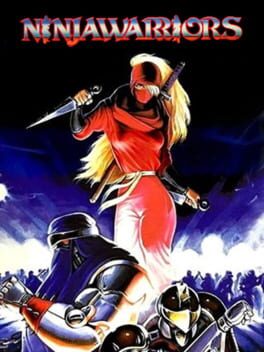 Ninja Warriors 199487% alikeBoth plot-driven, unpretentious, grave.
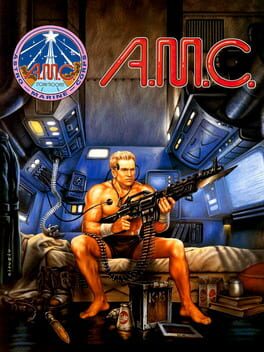 A.M.C.: Astro Marine Corps 198987% alikeBoth plot-driven, unpretentious, classical in form.
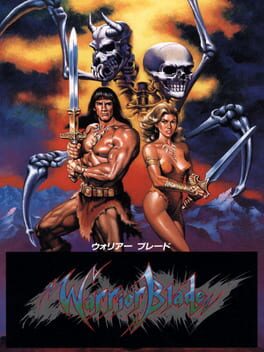 Both plot-driven, unpretentious, earnest.
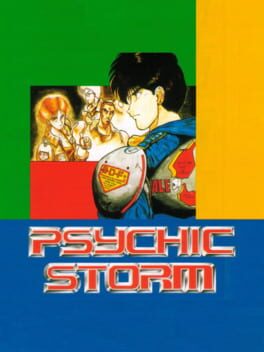 Psychic Storm 199286% alikeBoth plot-driven, unpretentious, grave.
 Mission: Impossible 198873% alikeSeries · Both classical in form, earnest, unpretentious.
 Knight Rider 200872% alikeSeries · Both unpretentious, classical in form, plot-driven.
Often played with
Similar games per IGDB. Opening one adds it to Curator Co.