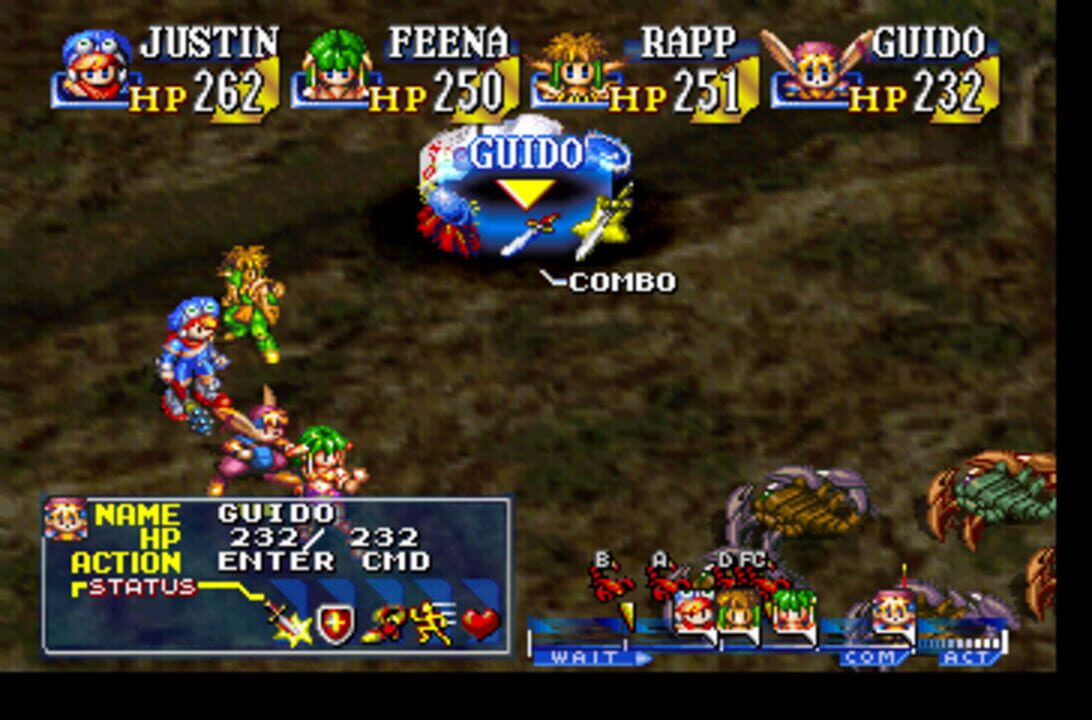
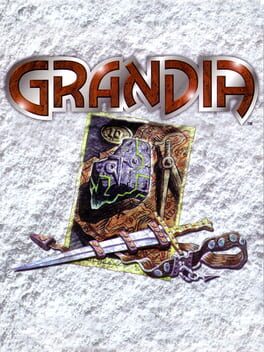
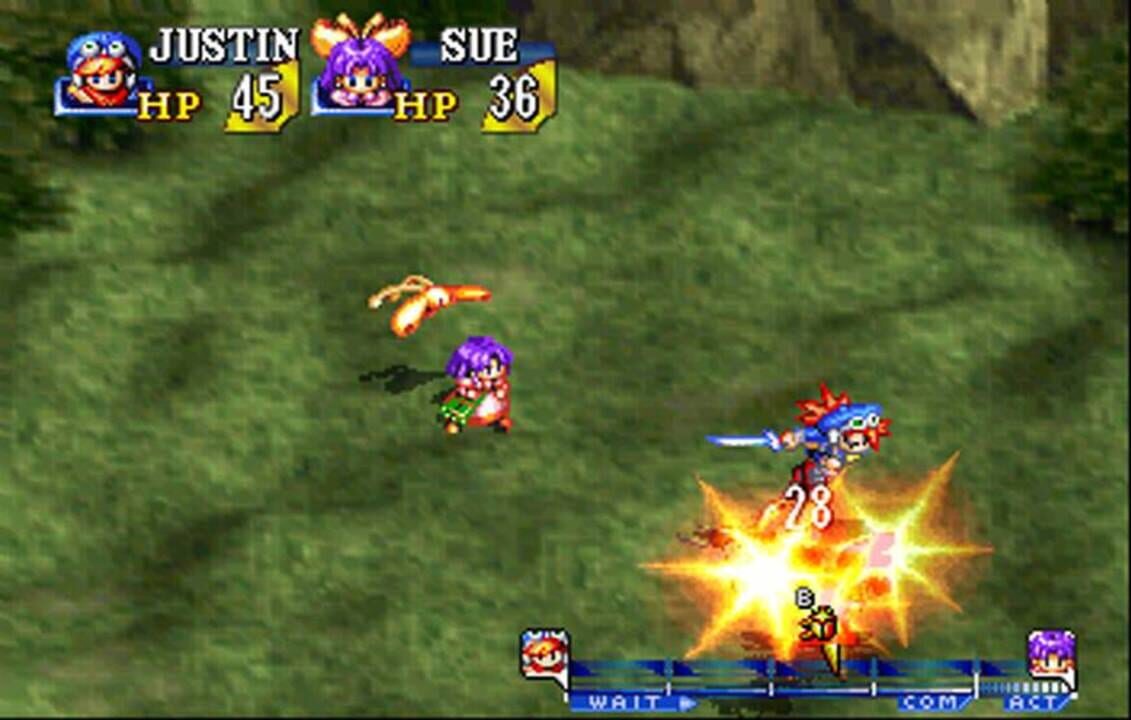
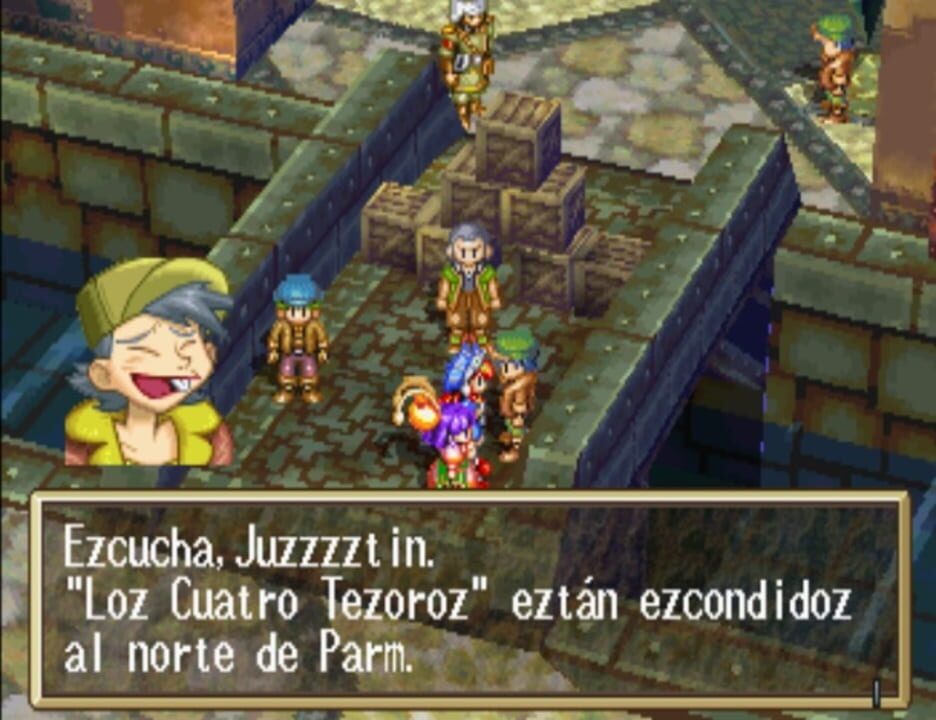
Grandia is a role-playing video game developed by Game Arts and published by Entertainment Software Publishing for the Sega Saturn console as the first game in their Grandia series. Initially released in Japan in 1997, the game was later ported to the PlayStation in 1999, with an English version of the game appearing on the platform in North America in the following September by Sony Computer Entertainment America, and later in Europe in March 2000 by Ubisoft. The game was produced by much of the same staff who worked on the company's previous role-playing endeavor, the Lunar series, including producer Yoichi Miyagi and music composer Noriyuki Iwadare. Since its release, Grandia has become notable for its combat mechanics, which have been carried over to future games within the franchise, and has spawned two spin-off titles – Grandia: Digital Museum and Grandia: Parallel Trippers – both released exclusively in Japan. In celebration of the announcement of renewing development on Grandia Online, which acts as a prequel to Grandia, the game was re-released on Sony's PlayStation Network platform in Japan as a downloadable title in April 2009 and in North America on February 25, 2010. It was re-released in Europe on November 10, 2010. The game takes place in a fantasy world where emerging technology and exploration are prevalent. A young boy named Justin inherits a magic stone that leads him on a journey around the world to uncover the mystery of a long-lost civilization. Along the way, he meets other adventurers who join him on his quest, which draws the attention of the militaristic Garlyle Forces who seek to uncover the secrets of the past as well.
Role-playing (RPG)Fantasypiratesghostsanimeorcsmagicminigamesturn-basedguitar playingjrpgdeathsoldierfrogPlayStation 3, Android, Sega Saturn, PlayStation, PlayStation Portable
Log it
Sign in to log this.
Where do you stand?
Three questions people argue about. Answer first, then see how your circle and the community split.
Would Grandia hit harder if it came out today rather than in 1997?
Sign in to answerBe the first to answer.
Is this Game Arts's best work?
Sign in to answerBe the first to answer.
Has Grandia aged badly?
Sign in to answerBe the first to answer.
Ask the title a question
Answered from the reviews and content notes on file, never made up. If nothing on file settles it, it says so.
Character
Earnest, classical in form, epic and resolved.
- earnestironic
- classical in formformally daring
- intimateepic
- resolvedopen-ended
- character-ledplot-driven
Who loves it, who doesn't
No profiled raters yet.
Reviews
No reviews yet.
About the game
- Platforms
- PlayStation 3, Android, Sega Saturn, PlayStation, PlayStation Portable
- Developer
- Game Arts
- Publisher
- Ubi Soft Entertainment, Game Arts, Sony Computer Entertainment, Entertainment Software Publishing
- Released
- December 18, 1997
- Modes
- Single player
- Perspective
- Bird view / Isometric
- Time to beat
- 43 h main story
IGDB rating 7.6/10 from 53 ratings.
Screenshots


Similar in taste
Closest on the same fourteen dimensions, from everything scored on Curator Co. Other media included when they land close.
 Both earnest, classical in form, resolved.
 Both earnest, resolved, classical in form.
 Both earnest, classical in form, epic.
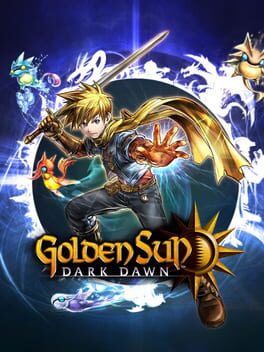 Golden Sun: Dark Dawn 201085% alikeBoth earnest, classical in form, resolved.
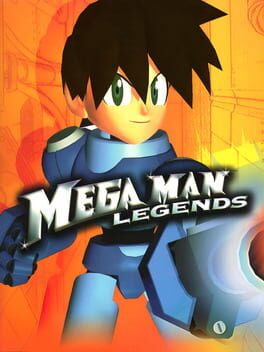 Mega Man Legends 199784% alikeBoth earnest, classical in form, resolved.
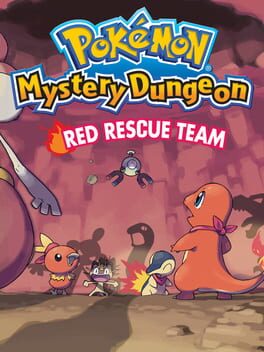 Both earnest, classical in form, plot-driven.
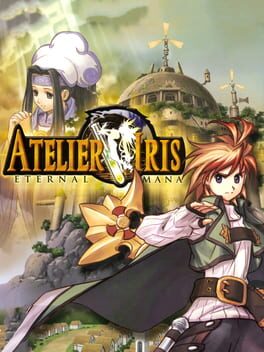 Atelier Iris: Eternal Mana 200484% alikeBoth earnest, epic, classical in form.
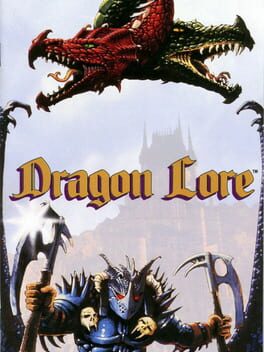 Dragon Lore: The Legend Begins 199484% alikeBoth earnest, classical in form, resolved.
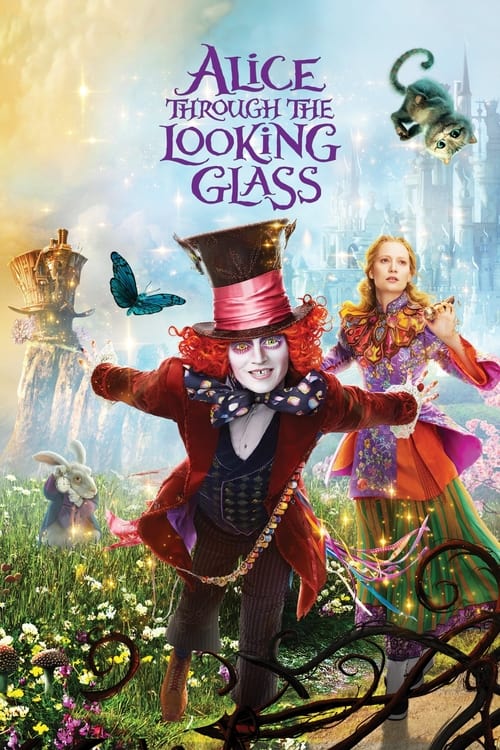 Alice Through the Looking Glass 201682% alikeFilm · Both earnest, classical in form, resolved.
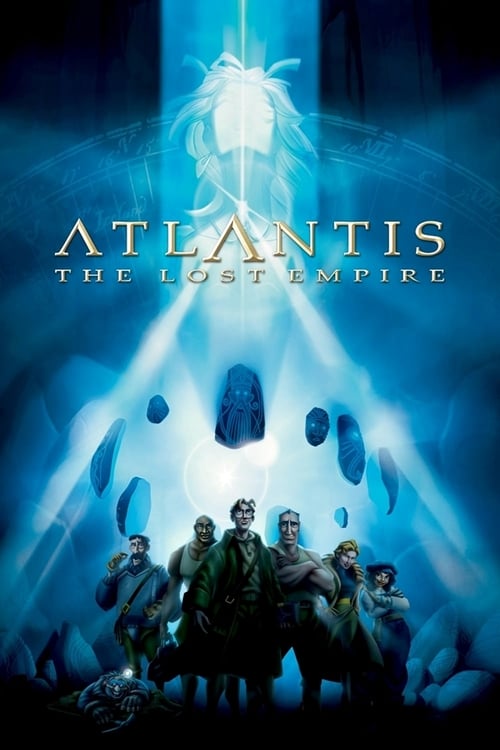 Atlantis: The Lost Empire 200182% alikeFilm · Both earnest, resolved, classical in form.
Often played with
Similar games per IGDB. Opening one adds it to Curator Co.