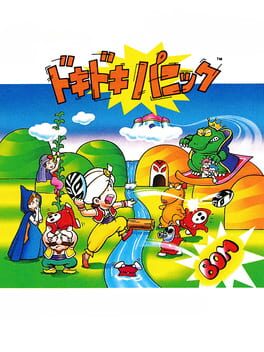
While two children, Poke and Piki, are reading a story, a monstrous hand suddenly appears from inside the pages and kidnaps them. When the rest of the Dream Factory family hear their cries of help, they jump into the story and help save them from the evil Wart. The game was released as part of the Yume Koujou '87 event (sometimes referred as Dream Machine, in English), which was sponsored by Fuji TV, and stars its mascots. The game was edited and released as Super Mario Bros 2. Due to Nintendo of Japan feeling like their version of Super Mario Bros 2 would be too difficult and outdated by the time it got to the United States. The game takes place inside a storybook. The book's story tells of the dream world of Muu, where the quality of dreams determined the quality of the weather the next day. Because of this, the Muu citizens invented a dream machine so they could always have good dreams. One day, a mischievous being named Mamu invaded the land and used the dream machine to make nightmarish monsters. However, the Muu people learned of his weakness to vegetables and used them to defeat him. The old storybook had found its way into the hands of a pet monkey, Rūsa, who gives the book to the young twins Poki and Piki. However, the twins quarrel and end up ripping out the last page of the book, causing its ending to be erased. Mamu, freed, reaches through the pages and grabs the twins, pulling them into the book. Rūsa gets the twins' parents, Mama and Papa, their brother, Imajin, and Imajin's girlfriend, Lina, and they enter the book to rescue them.
PlatformActionFantasyadvergamelicensed gamenever re-releasedjapan onlybased on - eventFamily Computer Disk System
Log it
Sign in to log this.
Where do you stand?
Three questions people argue about. Answer first, then see how your circle and the community split.
Has Yume Koujou: Doki-doki Panic aged badly?
Sign in to answerBe the first to answer.
Is Yume Koujou: Doki-doki Panic overrated?
Sign in to answerBe the first to answer.
Would Yume Koujou: Doki-doki Panic hit harder if it came out today rather than in 1987?
Sign in to answerBe the first to answer.
Ask the title a question
Answered from what people have written, never made up: a verdict, how much when it's a matter of degree, and the sentences that say so, quoted with their names. Reviews here first, then TMDB's reviews and the title's Wikipedia plot and reception. If nothing settles it, you can put it to the curators.
Character
Plot-driven, resolved, earnest and unpretentious.
- character-ledplot-driven
- resolvedopen-ended
- earnestironic
- unpretentiousprestige
- cooloverwhelming
Who loves it, who doesn't
No profiled raters yet.
Reviews
No reviews yet.
About the game
- Platforms
- Family Computer Disk System
- Developer
- Nintendo
- Publisher
- Fuji Television
- Released
- July 10, 1987
- Modes
- Single player
- Perspective
- Side view
IGDB rating 7.0/10 from 6 ratings.
Screenshots


Pairings
Companions we picked from the closest works, and how to take them.
Similar in taste
Closest on the same fourteen dimensions, from everything scored on Curator Co. Other media included when they land close.
 Both plot-driven, unpretentious, earnest.
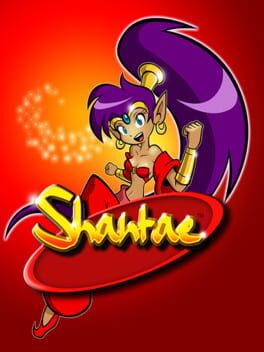 Shantae 200281% alikeBoth resolved, plot-driven, unpretentious.
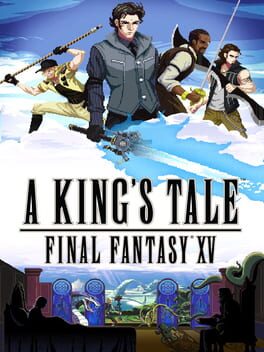 A King's Tale: Final Fantasy XV 201681% alikeBoth plot-driven, unpretentious, resolved.
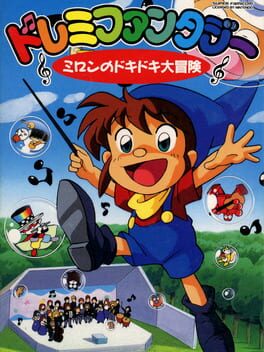 Both plot-driven, resolved, earnest.
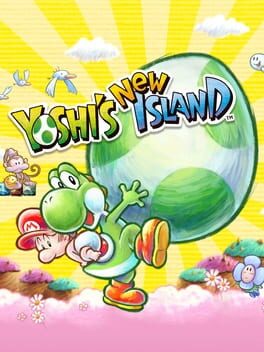 Yoshi's New Island 201480% alikeBoth plot-driven, resolved, earnest.
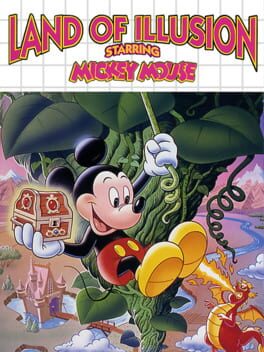 Both plot-driven, resolved, earnest.
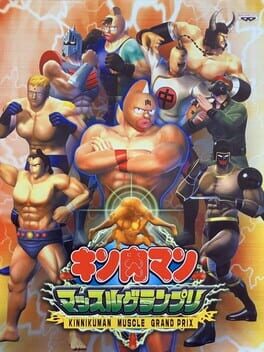 Kinnikuman Muscle Grand Prix 200680% alikeBoth earnest, unpretentious, resolved.
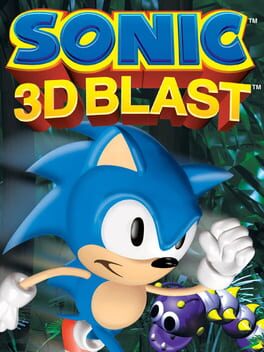 Sonic 3D Blast 199679% alikeBoth plot-driven, earnest, resolved.
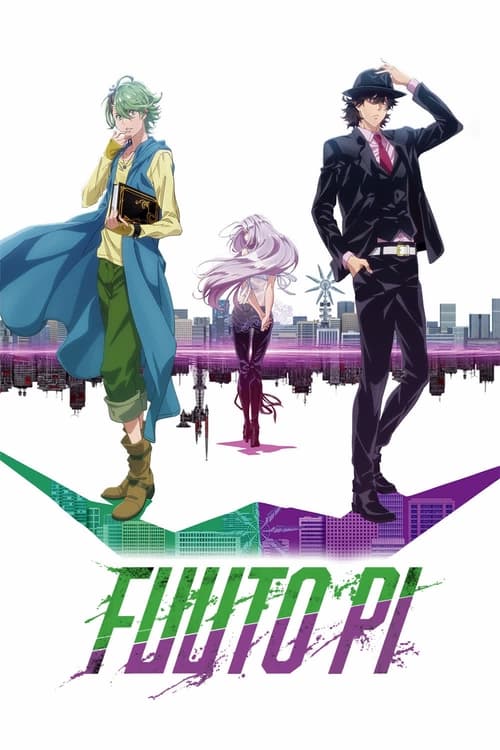 Fuuto PI 202274% alikeSeries · Both resolved, unpretentious, earnest.
 Film · Both resolved, earnest, unpretentious.
Often played with
Similar games per IGDB. Opening one adds it to Curator Co.