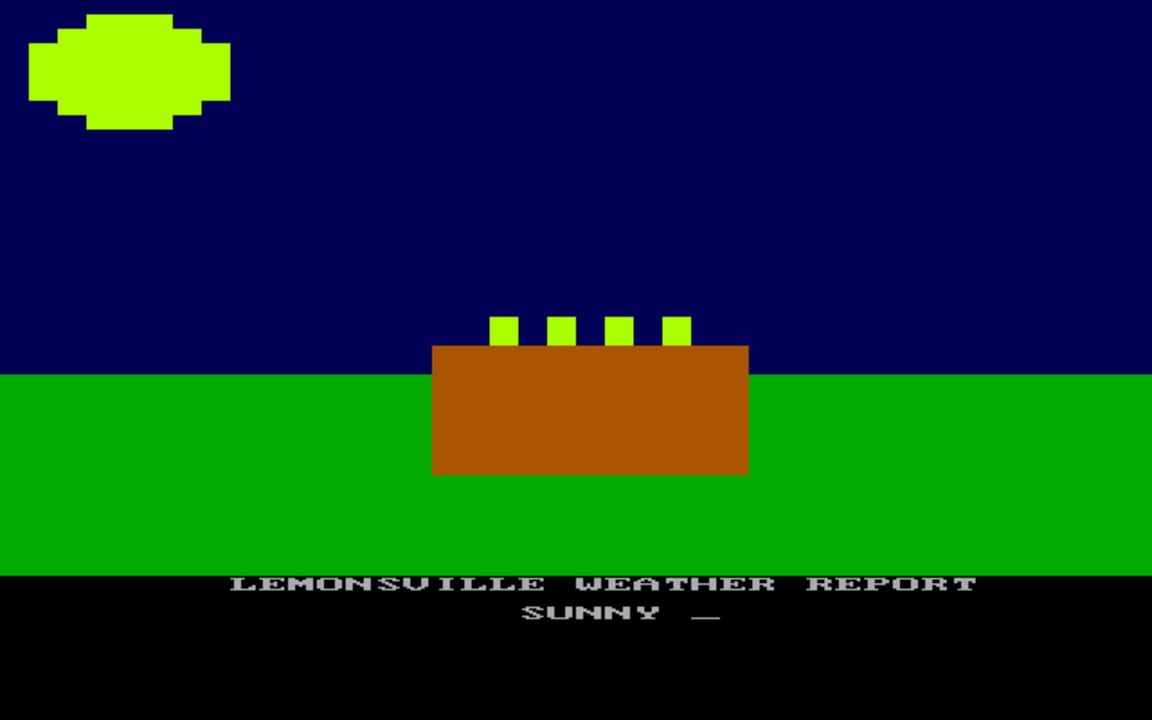
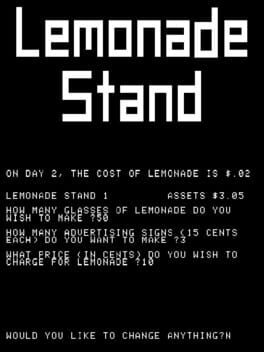
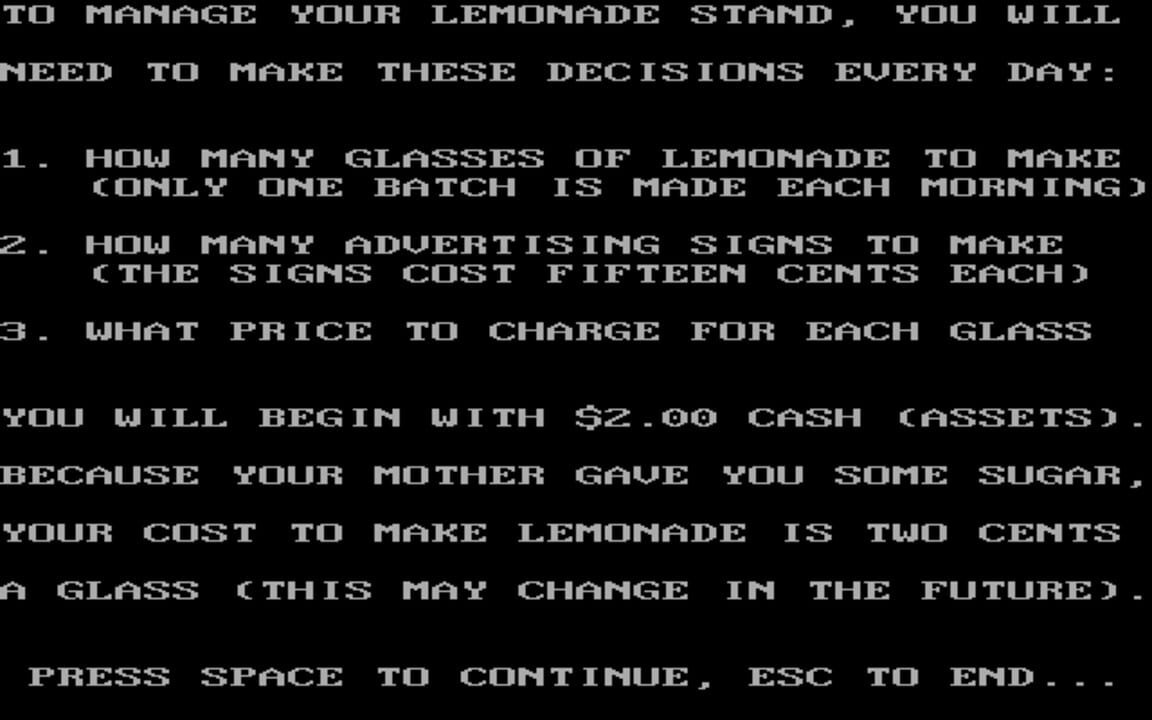
Lemonade Stand is a business simulation game created in 1973 by Bob Jamison of the Minnesota Educational Computing Consortium. Charlie Kellner ported the game to the Apple II platform in February 1979. Throughout the 1980s Apple Computer included Lemonade Stand (along with other software) with the purchase of their systems. The game simulates a child's lemonade stand, where choices made by the player regarding prices, advertising, etc. will determine the success or failure of the enterprise. The game owed its success to offering just enough variables to make a complex challenge for users, but still providing a simply-grasped addictive introduction to the offsetting priorities facing a business. The choice of the right prices and quantities on the day of a heat-wave could instill the satisfaction unique to a greatly profitable private enterprise. The player is first given a weather report for the day (sunny, cloudy or hot and dry, each accompanied by a color drawing) and is prompted for three values: the number of glasses of lemonade to make, the number of advertising signs, and the cost of lemonade per glass. The program then gives a report of the earnings for that day. A thunderstorm, sometimes occurring on cloudy days and accompanied by a color animation, will void any profits and cause the player to lose any investment for the day. The game can be played either single-player or with up to 30 players (each player is independent and the sales of one do not affect another). The Apple II version included music, with bars from "Morning Mood," "Singin' in the Rain," "Raindrops Keep Fallin' on My Head," and "Summertime" played at appropriate moments.
SimulatorBusinessEducationalKidstycoonmanagementbusiness simulationsupply and demandAtari 8-bit, Legacy Computer, CDC Cyber 70, Apple II
Log it
Sign in to log this.
Where do you stand?
Three questions people argue about. Answer first, then see how your circle and the community split.
Has Lemonade Stand aged badly?
Sign in to answerBe the first to answer.
Is this MECC's best work?
Sign in to answerBe the first to answer.
Would Lemonade Stand hit harder if it came out today rather than in 1973?
Sign in to answerBe the first to answer.
Ask the title a question
Answered from what people have written, never made up: a verdict, how much when it's a matter of degree, and the sentences that say so, quoted with their names. Reviews here first, then TMDB's reviews and the title's Wikipedia plot and reception. If nothing settles it, you can put it to the curators.
Character
Plot-driven, earnest, intimate and spare.
- character-ledplot-driven
- earnestironic
- intimateepic
- sparerichly built
- classical in formformally daring
Who loves it, who doesn't
No profiled raters yet.
Reviews
No reviews yet.
About the game
- Platforms
- Atari 8-bit, Legacy Computer, CDC Cyber 70, Apple II
- Developer
- MECC
- Publisher
- MECC
- Released
- December 31, 1973
- Modes
- Single player, Multiplayer
- Perspective
- Text
Screenshots
Similar in taste
Closest on the same fourteen dimensions, from everything scored on Curator Co. Other media included when they land close.
 Microsoft Minesweeper 199089% alikeBoth plot-driven, earnest, intimate.
 NES Open Tournament Golf 199186% alikeBoth plot-driven, earnest, intimate.
 Shanghai III 199485% alikeBoth plot-driven, earnest, intimate.
 Both plot-driven, earnest, intimate.
 Scorched Tanks 199385% alikeBoth plot-driven, earnest, spare.
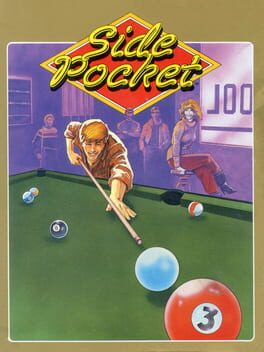 Side Pocket 198685% alikeBoth plot-driven, earnest, intimate.
 Both plot-driven, earnest, spare.
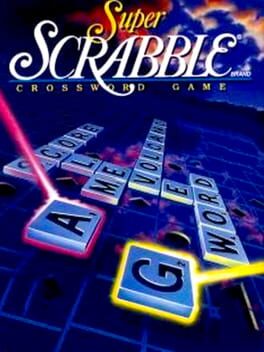 Super Scrabble 199184% alikeBoth plot-driven, intimate, earnest.
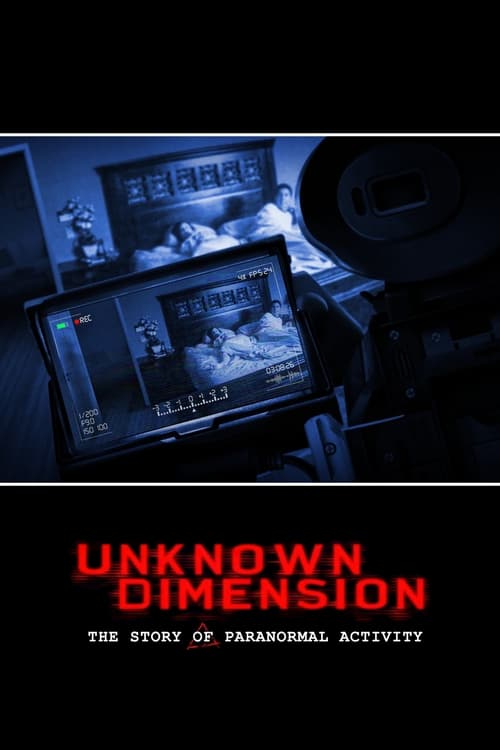 Film · Both earnest, classical in form, grave; this one is more epic.
 Car S.O.S. 201366% alikeSeries · Both earnest, classical in form, plot-driven.
Often played with
Similar games per IGDB. Opening one adds it to Curator Co.